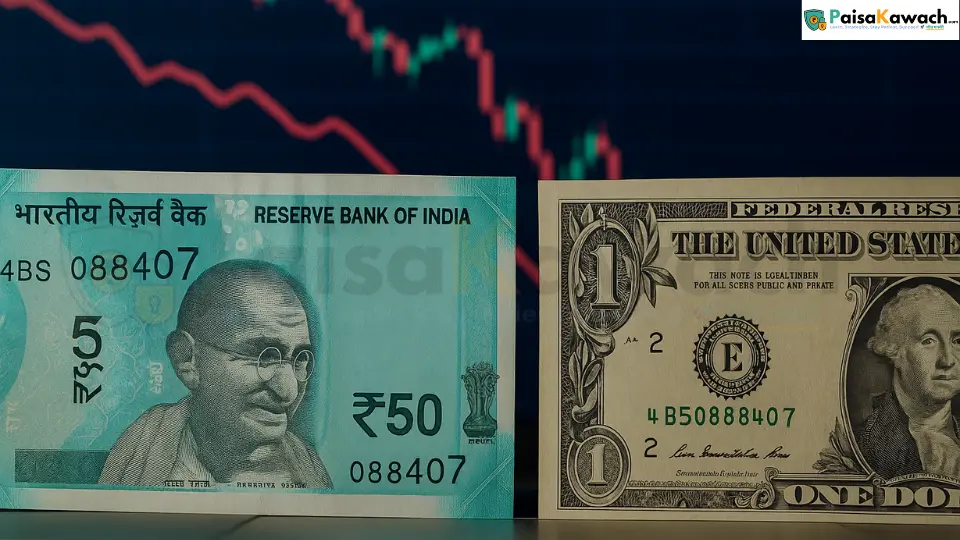
The Indian rupee continues to trade under pressure, reflecting persistent global and domestic challenges, even as it receives short-term support from broader Asian currency strength led by the Chinese yuan. Currency markets remain cautious as strong demand for the U.S. dollar and uneven foreign portfolio flows limit the rupee’s ability to sustain a recovery.
For Indian markets, currency volatility has emerged as a key macro variable, influencing inflation expectations, capital flows, and overall investor sentiment.
Snapshot: Rupee Market Dynamics
- Rupee remains volatile despite Asian FX support
- Strong dollar demand continues to cap gains
- Foreign portfolio flows remain uneven
- Currency movements influencing market sentiment
Why the Rupee Remains Under Pressure
While a stronger Chinese yuan and broader Asian currency gains have offered temporary relief, structural factors continue to weigh on the rupee. Persistent dollar demand from importers, overseas debt servicing requirements, and cautious foreign investor positioning have kept the currency vulnerable.
In addition, global uncertainty around interest rates and geopolitical risks has encouraged investors to stay positioned in dollar assets, limiting capital inflows into emerging market currencies such as the rupee.
According to Reuters, emerging market currencies have struggled to sustain gains as investors remain cautious amid fluctuating global interest rate expectations.
Impact on Inflation, Imports, and Key Sectors
A weaker and volatile rupee directly affects India’s import bill, particularly for crude oil and other essential commodities. Higher import costs can feed into domestic inflation, complicating price stability efforts.
Sectors such as oil marketing companies, aviation, and FMCG are especially sensitive to currency movements, as higher input costs can pressure margins unless passed on to consumers.
What This Means for Markets and Investors
Currency volatility tends to keep equity markets cautious, especially during periods of heavy foreign investor participation. Sharp movements in the rupee can influence foreign institutional investment decisions and amplify market swings.
Bond markets also remain alert, as exchange rate trends play a role in shaping inflation expectations and interest rate outlooks.
RBI Policy Watch Remains in Focus
The rupee’s trajectory keeps the policy stance of the :contentReference[oaicite:0]{index=0} firmly in focus. The central bank may step in to smooth excessive volatility, while balancing inflation management and growth priorities.
Any sustained weakness in the currency could influence future liquidity operations and policy communication from the RBI.
What to Watch Next
Market participants will closely track U.S. dollar movements, global bond yields, foreign portfolio flows, and regional currency trends. Developments in crude oil prices and global risk sentiment will also play a crucial role in determining the rupee’s near-term direction.
Until there is clarity on global monetary conditions and capital flows, the Indian rupee is likely to remain volatile, keeping markets cautious.