Understanding Dividends: A Beginner’s Introduction
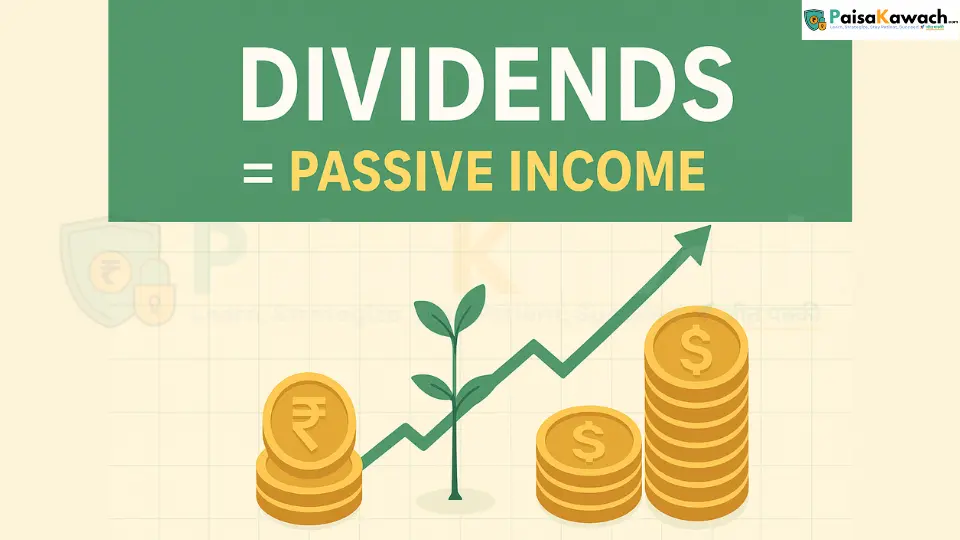
When you hear the term “dividends,” it might sound like complex Wall Street jargon, but the truth is — it’s one of the simplest and most powerful ways to make money in the stock market. Dividends are a share of a company’s profits paid out to its shareholders, and they can be a reliable source of passive income for investors of all levels.
In this guide, we’ll explore exactly how dividends work, why companies pay them, and how you can start building your own income stream through smart dividend investing.
What Exactly Is a Dividend?
At its core, a dividend is a cash (or sometimes stock) payment that companies give to shareholders as a reward for investing in their business. Think of it like a thank-you note from the company — but instead of words, it’s money in your brokerage account.
Not all companies pay dividends. Generally, large, established companies — called blue-chip stocks — are more likely to distribute a portion of their profits this way.
Example of a Dividend Payment
- Indian Example: You own 100 shares of ITC Ltd.
- The company declares an annual dividend of ₹15 per share.
- You receive ₹1,500 in dividend payments that year (approx. $18 USD) — either as quarterly installments or all at once.
- Global Example: You own 100 shares of Coca-Cola (KO).
- The company declares an annual dividend of $1.84 per share.
- You receive $184 in dividend payments that year (approx. ₹15,330 INR) — typically paid quarterly.
Why Do Companies Pay Dividends?
Companies distribute dividends for several reasons:
- Rewarding Investors: It’s a way of sharing profits with shareholders.
- Signaling Strength: Consistent dividends can show financial health and stability.
- Attracting Long-Term Investors: Dividend-paying stocks appeal to income-focused investors, which can reduce stock volatility.
Types of Dividends
Dividends aren’t all the same — here are the most common types you’ll encounter:
- Cash Dividends: The most common, paid directly into your brokerage account.
- Stock Dividends: Additional shares instead of cash.
- Special Dividends: One-time payouts, often after exceptional earnings.
- Preferred Dividends: Paid to preferred stockholders, often with fixed amounts.
Key Dividend Terms Every Beginner Should Know
- Dividend Yield: Annual dividend per share ÷ share price — shows the return from dividends alone.
- Payout Ratio: Percentage of earnings paid as dividends — too high can be risky.
- Ex-Dividend Date: You must own the stock before this date to receive the dividend.
- Record Date: The date when the company checks its books to confirm eligible shareholders.
- Payment Date: The day the dividend is actually paid.
How Dividends Can Become Passive Income
The magic of dividend investing comes from consistency and reinvestment. When you use a Dividend Reinvestment Plan (DRIP), your dividend payments are automatically used to buy more shares — which then earn more dividends. Over time, this creates a powerful compounding effect.
“Reinvested dividends can turn a small initial investment into a significant income stream over decades,” says John Williams, a financial analyst at MarketWatch.
Real-World Example: The Power of Compounding
Let’s say you invest ₹4,00,000 (approx. $4,800) in a stock with a 4% dividend yield and reinvest all dividends. If the stock grows at 5% annually, your investment could grow to more than ₹16,00,000 (approx. $19,200) in 20 years — with a large portion of that growth coming from reinvested dividends.
Common Myths About Dividend Investing
- Myth 1: Only retirees benefit from dividends — In reality, compounding works best when you start young.
- Myth 2: High yields are always better — Extremely high yields can be a red flag for trouble.
- Myth 3: You can’t lose money with dividend stocks — Share prices can still drop, reducing total returns.
Risks of Dividend Investing
Like all investments, dividend stocks come with risks:
- Companies can cut or suspend dividends in tough times.
- Stock prices can fall even if dividends are paid.
- Inflation can reduce the real value of dividend income.
How to Start Investing in Dividends
Getting started is easier than you think:
- Open a brokerage account with low fees.
- Research companies with strong financials and consistent dividend history.
- Diversify your holdings to reduce risk.
- Consider dividend-focused ETFs for instant diversification.
Building a Dividend Portfolio: A Step-by-Step Plan
- Set a clear income goal (e.g., ₹4,00,000/year or $5,000/year in dividends).
- Choose high-quality dividend stocks or ETFs.
- Reinvest all dividends during the growth phase.
- Review and adjust your portfolio yearly.
Top Dividend Stocks for Beginners (2025)
Indian Market:
- ITC Ltd. (ITC)
- Hindustan Unilever Ltd. (HUL)
- Infosys Ltd. (INFY)
- Coal India Ltd. (COALINDIA)
- Power Grid Corporation of India (POWERGRID)
Global Market:
- Johnson & Johnson (JNJ)
- Procter & Gamble (PG)
- Coca-Cola (KO)
- PepsiCo (PEP)
- Microsoft (MSFT)
Note: This is not financial advice — always research before investing.
The Bottom Line
Dividends can be one of the most reliable ways to generate passive income from the stock market. With patience, reinvestment, and smart selection, they can help you build wealth and financial freedom over time. Whether you’re investing for retirement or just getting started, understanding how dividends work is an essential skill for any investor.
how dividends work beginners, passive income through dividends, dividend investing guide, best dividend stocks for beginners, dividend yield explained, reinvesting dividends strategy, passive income stock market, dividend portfolio for beginners, high dividend yield meaning, monthly dividend income, safe dividend investing, dividend growth investing, dividend ex-date explained, how to live off dividends, dividend compounding

 How to Read a Company’s Financial Statements Like a Pro: A Complete Investor’s Guide
Next →
How to Read a Company’s Financial Statements Like a Pro: A Complete Investor’s Guide
Next →
 How to Build an Emergency Fund: Saving ₹50,000 (Approx. $600) for Unexpected Expenses in 2025