By PaisaKawach Team | July 16, 2025

It’s a frustrating but common situation: your landlord just raised your rent, but your paycheck hasn’t changed. Whether you live in a big city, a small town, or abroad, housing costs are climbing faster than incomes. You’re not alone—and you’re not helpless.
In this guide, we’ll show you realistic, effective steps to handle a rent increase without falling into financial stress or burnout. No fluff—just what actually works in 2025.
Before reacting emotionally, get a clear picture of how your rent increase affects your budget:
Ideally, your rent should be under 30% of your take-home pay. But with rising global housing costs, many are now at 40–50%. Knowing your baseline is step one.
You may have more room to negotiate than you think. Try this:
You don’t need to give up all joy to survive. Instead of going cold turkey, do a budget detox for 30 days:
These savings can easily add up to ₹3,000–₹10,000 ($40–$120) a month—enough to cover most modest rent increases.
If you’re living alone, consider:
This is especially effective in urban areas with flexible housing markets.
Your rent went up—but who says your income has to stay flat?
Options to consider in 2025:
Even an extra ₹5,000–₹15,000 ($60–$200) monthly can offset your rent hike completely.
Many cities and countries offer:
Set up a savings buffer and have a “Plan B” for your next lease cycle:
This prevents panic next time the lease renewal comes with a surprise hike.
Global housing inflation is real. You’re not bad with money—you’re living in a broken housing economy. But that doesn’t mean you’re powerless. The steps above give you practical tools to take back control, one decision at a time.
Rent went up. Your salary didn’t. But you’re still the one in charge.
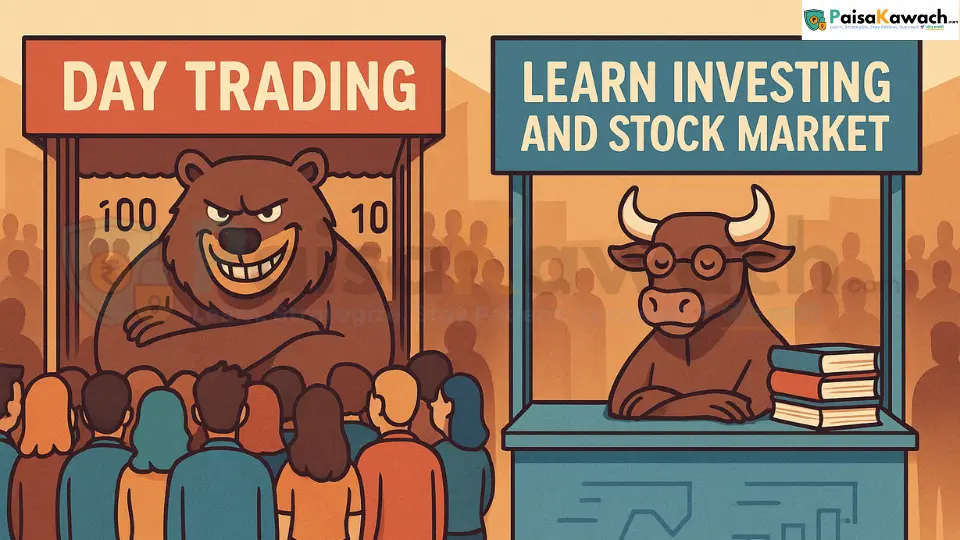 The Dangerous Illusion of Easy Money in the Stock Market: What Every Beginner Must Understand First
Next →
The Dangerous Illusion of Easy Money in the Stock Market: What Every Beginner Must Understand First
Next →
 Become a Partial Owner of the Brands You Love: How Stock Investing Turns Consumers into Capitalists
No comments yet. Be the first to comment!