In a landmark policy move, India has announced a sweeping Goods and Services Tax (GST) overhaul aimed at stimulating demand and simplifying compliance. Effective from September 22, 2025, the government has cut GST rates on hundreds of consumer goods, just ahead of the festive season when household spending typically peaks. The reforms are designed to boost local consumption, offset the impact of rising global trade tensions, and accelerate economic growth.
What Has Changed in GST?
- Two-Slab Structure: The four-tier GST system has been simplified into two main slabs — 5% and 18%.
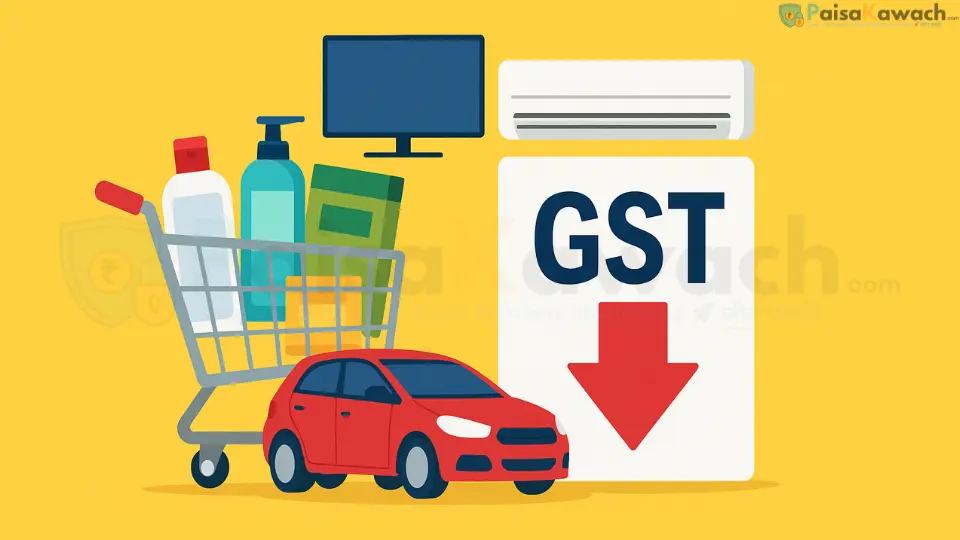
- Consumer Goods Relief: Toiletries and other essentials now fall under the 5% bracket (down from 18%).
- Durables and Autos: Small cars, televisions, and air conditioners have seen GST reduced to 18% (from 28%).
- Insurance Exemption: Health and life insurance policies are now fully exempt from GST.
- Luxury Goods: High-end products like premium cars and luxury items will attract a special 40% tax rate.
Why This Move Matters
The overhaul is expected to put more money in the hands of consumers and encourage spending across middle-class households. With the festive season approaching, reduced prices on cars, electronics, and daily essentials will likely drive sales in the retail, auto, and consumer durables sectors. The exemption of insurance services could also expand coverage in a country where penetration has historically been low.
Expected Economic Impact
Economists believe the reforms could add between 100–120 basis points to GDP growth over the next few quarters. By lowering taxes on goods that directly affect household budgets, the government aims to strengthen domestic demand at a time when external trade pressures are mounting due to global tariff escalations. Retail, FMCG, auto, and electronics companies are expected to be the biggest beneficiaries.
Sectoral Winners
- Automobile: Lower GST on small cars could revive demand in entry-level segments.
- Consumer Durables: Products like TVs and ACs will become more affordable, boosting sales volumes.
- FMCG: Everyday essentials taxed at 5% will lower household expenses, enhancing purchasing power.
- Insurance: Exemption on health and life policies is expected to improve penetration in Tier 2 and Tier 3 cities.
Conclusion
The GST overhaul marks one of the most significant tax reforms since the system was first implemented in 2017. By simplifying slabs, reducing rates, and making insurance affordable, the government has positioned the economy for a surge in consumer-driven growth. With these changes coming into force on September 22, 2025, businesses are preparing for what could be one of the most robust festive seasons in recent years.