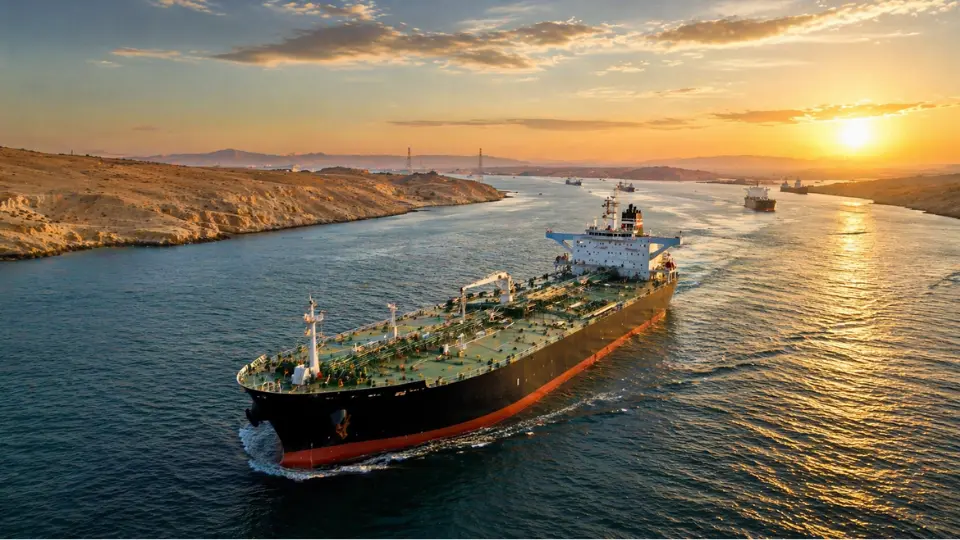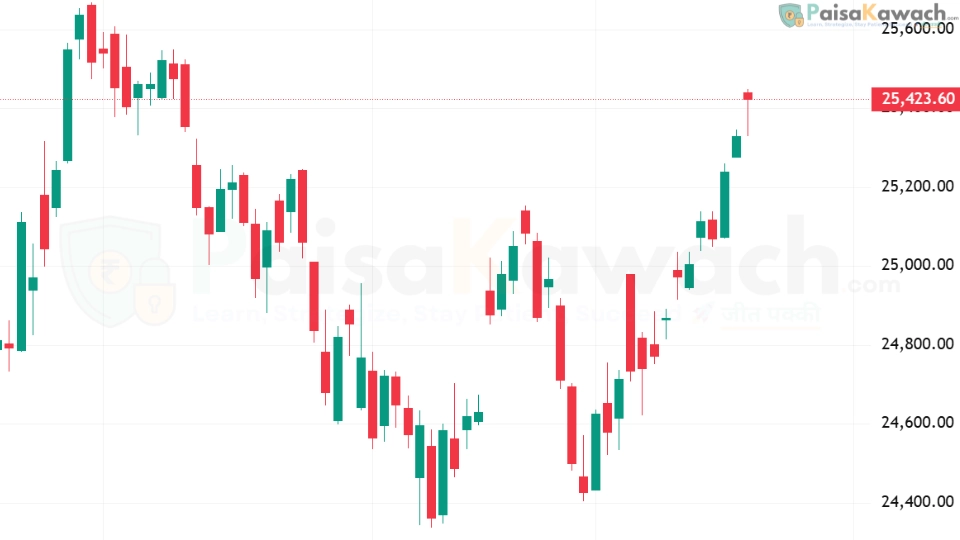
Global markets turned volatile again on April 20, 2026, as tensions in the Strait of Hormuz resurfaced, pushing oil prices sharply higher and shaking investor confidence worldwide. The key takeaway: the recent market rally was short-lived, and geopolitical risks are back in control.
Oil prices surged nearly 6–7%, global stocks slipped, and safe-haven assets like the US dollar strengthened — signaling a clear shift from optimism to caution.
Just days after markets celebrated the reopening of the Strait of Hormuz, the situation has taken a sharp turn. Renewed tensions and disruptions in the region have reminded investors that the crisis is far from over. This sudden shift highlights how fragile the current global economic environment is.
The Strait of Hormuz remains one of the most critical chokepoints in the world, responsible for transporting nearly 20% of global oil supply. Any instability in this region immediately impacts oil prices, which in turn affects inflation, economic growth, and financial markets.
Oil is once again dictating the direction of the global economy. When oil rises, inflation fears return — and markets react instantly.
With oil prices climbing back toward the $90–$100 range, concerns about rising inflation are intensifying. Higher energy costs increase transportation expenses, manufacturing costs, and ultimately the price of goods and services. This puts pressure on both consumers and businesses.
For central banks, this creates a difficult situation. After months of trying to control inflation, rising oil prices could force them to maintain higher interest rates for longer. This, in turn, could slow down economic growth and reduce investment activity.
In simple terms: higher oil → higher inflation → higher interest rates → slower economic growth. This chain reaction is what markets are currently pricing in.
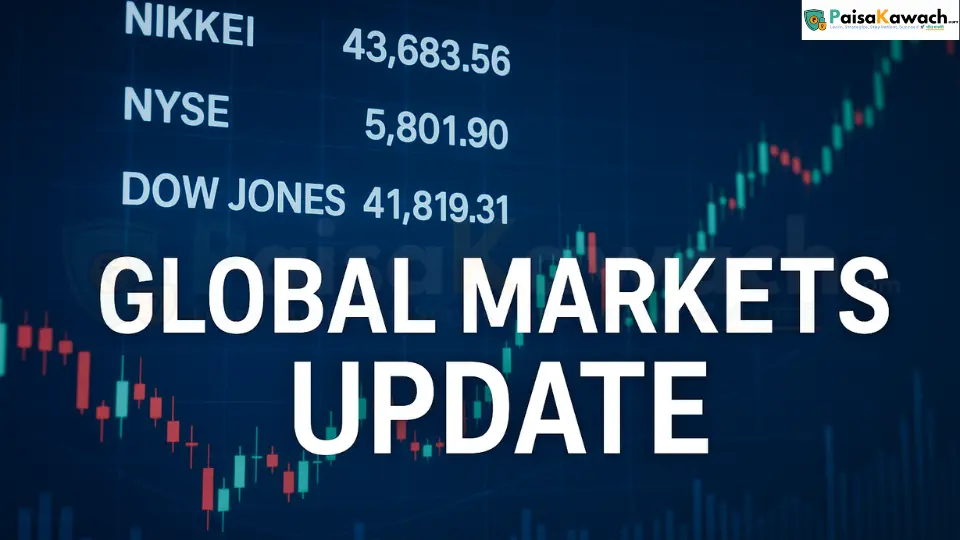
The immediate impact is already visible in global markets. U.S. stock futures dropped, Asian markets turned cautious, and European indices showed signs of weakness. Investors are shifting away from riskier assets and moving toward safer options.
This shift is also reflected in currency markets. The US dollar has strengthened as investors seek safety during uncertain times. Traditionally, during geopolitical instability, capital flows into assets perceived as more secure, and the dollar remains one of the top choices.
The return of “risk-off” sentiment means investors are prioritizing safety over growth — a key signal of rising uncertainty.
Another major concern is the broader impact on global economic growth. The International Monetary Fund (IMF) and World Bank have already warned that repeated geopolitical shocks are making it increasingly difficult to maintain stable growth.
According to recent assessments, global growth projections are under pressure, and further disruptions could push economies into slower expansion phases. Developing countries are particularly vulnerable, as they are more affected by rising energy costs and external shocks.
In addition to macroeconomic concerns, businesses are also feeling the impact. Companies across sectors are becoming more cautious with their investments. Expansion plans are being delayed, hiring is slowing, and capital expenditure is being reassessed.
Even in strong economies like India, global capability center (GCC) expansions are slowing due to uncertainty. Companies prefer to wait rather than take risks in an unstable environment.
At the same time, geopolitical developments are influencing long-term strategic decisions. Countries are increasingly focusing on building stronger trade alliances and reducing dependency on unstable regions. One example is the ongoing India–US trade talks, which aim to strengthen economic cooperation and reduce supply chain risks.
This shift indicates a broader transformation in the global economy — from efficiency-driven globalization to security-driven regionalization. While this improves resilience, it also increases costs and reduces overall efficiency.
The world is moving from “cheap and fast” global trade to “secure and stable” regional systems — a shift that will define the next decade.
Investor sentiment remains highly sensitive to news and developments. Markets are reacting almost instantly to geopolitical headlines, leading to increased volatility. This makes the current environment particularly challenging for both short-term traders and long-term investors.
Another important aspect to consider is sector-wise impact. While energy companies may benefit from rising oil prices, other sectors such as aviation, logistics, and manufacturing face increased cost pressures. Technology and financial sectors remain relatively resilient but are not immune to broader economic trends.
This uneven impact highlights the complexity of the current market environment. There is no single trend dominating the market — instead, multiple forces are interacting simultaneously.
This is not a simple bull or bear market — it is a highly reactive, news-driven market where conditions can change rapidly.
Looking ahead, the key factors to watch include the stability of the Strait of Hormuz, movements in oil prices, central bank policy decisions, and the progress of geopolitical negotiations. These factors will determine whether markets stabilize or continue to experience volatility.
For investors, the current situation calls for caution and awareness. While opportunities may exist, risks are equally high. Diversification, risk management, and staying informed are more important than ever.
- Oil prices surged again due to renewed Hormuz tensions
- Global markets turned volatile after recent rally
- Inflation fears are rising with higher energy costs
- Central banks may keep interest rates higher for longer
- US dollar strengthened as investors moved to safety
- Global growth outlook remains uncertain
- Businesses are delaying investments and expansion plans
- Supply chains and trade alliances are restructuring
- Market sentiment has shifted from optimism to caution
In conclusion, April 20, 2026, serves as a reminder that the global economy is currently in a fragile and unpredictable phase. The return of geopolitical tensions has disrupted market momentum and highlighted the underlying vulnerabilities in the system.
While markets may continue to fluctuate in the short term, the broader trend suggests a period of heightened volatility and uncertainty. Understanding these dynamics is essential for navigating the evolving economic landscape.
stock market today 2026, oil prices surge news, hormuz tensions impact economy, global market volatility analysis, inflation oil prices relationship, IMF global outlook warning, stock market risk analysis, geopolitical impact markets, financial news April 20 2026