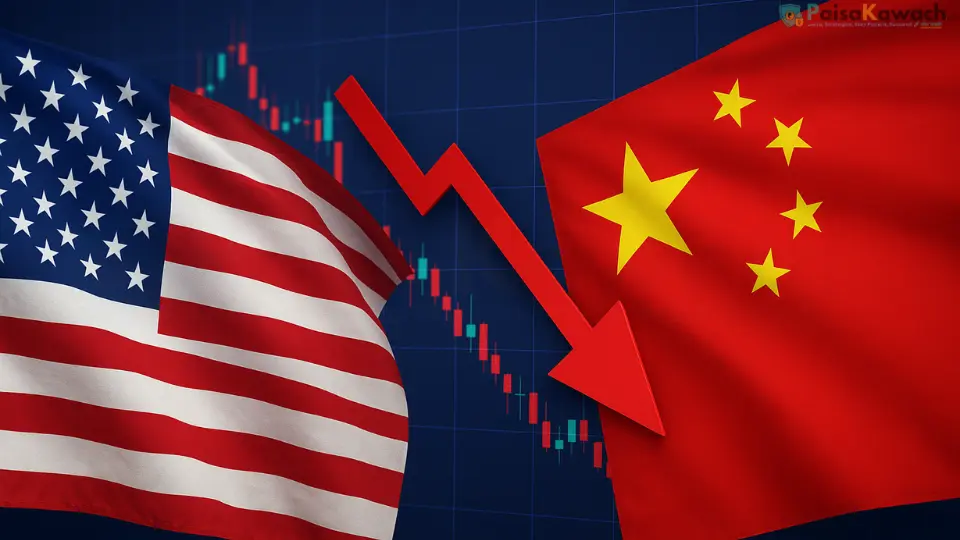
The United States has triggered what analysts are calling a “trade tsunami,” imposing a new wave of tariffs ranging from 10% to 100% on goods from multiple countries, including India, Brazil, Kenya, and Taiwan. The policy shift has rippled across the global economy, unsettling supply chains, rattling investors, and straining diplomatic ties.
According to Reuters, the aggressive trade move is part of Washington’s effort to protect domestic industries and push for renegotiated deals. However, it risks sparking retaliatory measures from affected nations and reshaping the landscape of global commerce.
Oil Prices in Freefall
Global oil markets are reacting sharply to the tariffs. Brent crude and West Texas Intermediate (WTI) are on track for their steepest weekly declines since June, as traders fear that the tariffs will slow global demand. The decline is compounded by OPEC+ signaling an early phase-out of production cuts, flooding the market with additional supply.
Geopolitical and Economic Ramifications
- Geopolitical Tensions: Countries hit hardest by the tariffs may pivot toward new alliances, potentially strengthening blocs like BRICS.
- Supply Chain Shifts: Manufacturers and exporters are exploring alternative routes and partners to bypass tariff impacts.
- Investor Caution: Equities in trade-sensitive sectors, including manufacturing and shipping, are under selling pressure.
Economists warn that if retaliation escalates, the global economy could face a downturn similar to early trade war periods in the past decade, but with deeper oil market instability layered on top.
What to Watch Next
Global markets will be watching for signs of diplomatic engagement or further escalation in the coming weeks. Central banks may also step in with policy adjustments if the tariffs and oil volatility threaten economic stability.